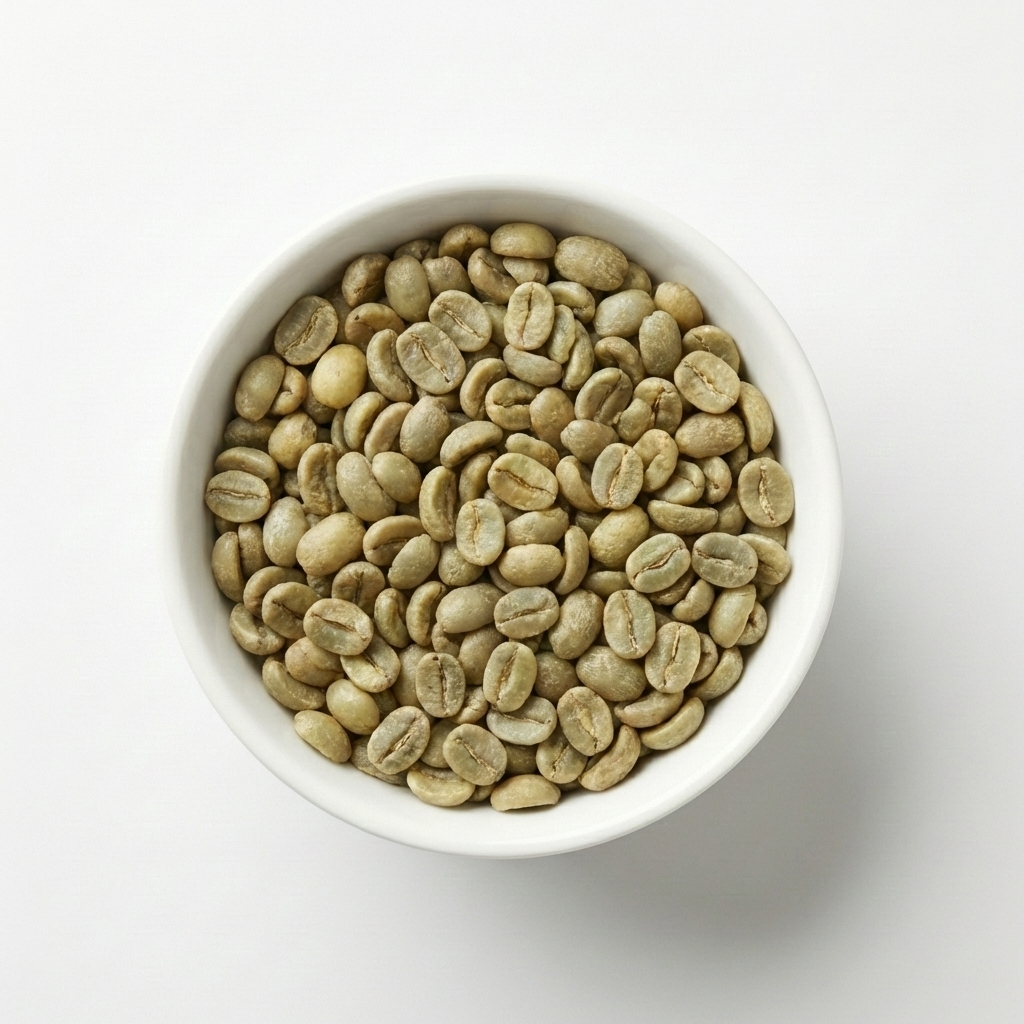
Bababudangiri Arabica Green Coffee
SpecialtyRare single-origin green Arabica from the ancient Bababudangiri hills, Karnataka: India's mythical coffee birthplace with a distinctive earthy complexity.
Price Range
Loading...
Minimum Order
30 kg
Varietal
S795, Local Heirlooms
SCA Score
86+
Scale
2T / 3 months
Origin
| State | Region | Variety | Process | Varietal | Elevation |
|---|---|---|---|---|---|
| Karnataka | Bababudangiri | Arabica | Grade 1 | S795, Local Heirlooms | 1000–1400 masl |
Sample & Retail Pricing by Size
| Size | Product | Delivery | Total |
|---|---|---|---|
| 100g | $1.79 | $0.95 | $2.74 |
| 1kg | $17.85 | $1.19 | $19.04 |
| 3kg | $53.55 | $2.62 | $56.17 |
| 5kg | $89.25 | $4.05 | $93.30 |
| 10kg | $178.50 | $7.62 | $186.12 |
| 20kg | $357.00 | $14.76 | $371.76 |
Delivery is charged once per order based on total weight. For bulk or full-container orders, use the wholesale calculator above or contact us for a quote.
The Bababudangiri hills in Karnataka's Chikmagalur district are where coffee is said to have first been cultivated in India, brought by Baba Budan in the 17th century. Today, small estates and forest-fringe farms at 1000–1400m produce limited lots of Arabica with a profile unlike any other Indian origin, earthy and spiced at its core, with a creamy body, brown-sugar sweetness, and a lingering, complex finish. These lots are genuinely rare and carry a provenance story that resonates strongly with specialty buyers.
From the Estate
Bababudangiri, Karnataka
What buyers say
"The Bababudangiri lot we sourced last season was unlike anything else from India, earthy complexity, a spiced warmth that comes from the terroir, and a lingering sweetness on the finish. A genuinely memorable cup."
Olga Melnyk
Head of Single Origins, Tim Wendelboe (Oslo)
"The provenance story sells itself: Indian coffee's mythical birthplace. But the cup delivers too. Creamy body, brown sugar, subtle spice. We sold out our 30 kg sample lot in ten days on a single Instagram post."
Sameer Gupta
Founder, Corridor Seven Coffee Roasters (Pune)
"We feature a heritage Indian origin every year in our specialty range. Bababudangiri is the strongest yet, the altitude, the story, and the cup profile all align. Our customers love the 'birthplace of Indian coffee' narrative."
Beatriz Costa
Green Coffee Buyer, Delta Cafés (Portugal)
No Indian coffee origin carries a more compelling story than Bababudangiri. According to historical records and Sufi tradition, it was here, in the Chandragiri hills of what is now Chikmagalur district, Karnataka, that Baba Budan, a Muslim pilgrim returning from Mecca, planted seven coffee seeds he had smuggled out of Yemen sometime in the early 17th century. Those seeds were the first coffee plants in India, and the descendants of that original cultivation still grow on the slopes of the hills that bear Baba Budan's name.
Today, Bababudangiri is one of India's highest coffee-growing areas, with farms reaching 1,000–1,400 metres above sea level, significantly higher than most of Chikmagalur's main growing belt. The extra elevation means cooler temperatures, slower cherry development, and a more complex cup. The profile here is earthy and spiced in a way that is distinctly different from other Indian origins, a quality that comes partly from the altitude and partly from the ancient, unregistered heirloom varietals that have been growing on these slopes for centuries.
The lots available from Bababudangiri are genuinely limited. Small estates and forest-fringe farms with ageing heirloom trees don't produce at commercial scale. What they produce is remarkable: Grade 1 lots with 86+ SCA scores, a creamy, heavy body, brown-sugar sweetness, and a finishing complexity that specialist buyers often describe as the most "complete" Indian Arabica they've tried.
Peaberry (PB) from Bababudangiri is especially rare, hand-sorted from an already limited harvest, and it amplifies the origin's characteristic earthiness and sweetness into an extraordinarily concentrated cup. Available in 30 kg minimum lots only. Contact us well in advance of the harvest season (November–February) to reserve allocation.