Our Products
Premium green coffee sourced directly from Indian farms
East India
Odisha · Andhra Pradesh
Single-origin green coffees from the Eastern Ghats, tribal-grown Arabica from Koraput and the internationally acclaimed specialty lots of Araku Valley.
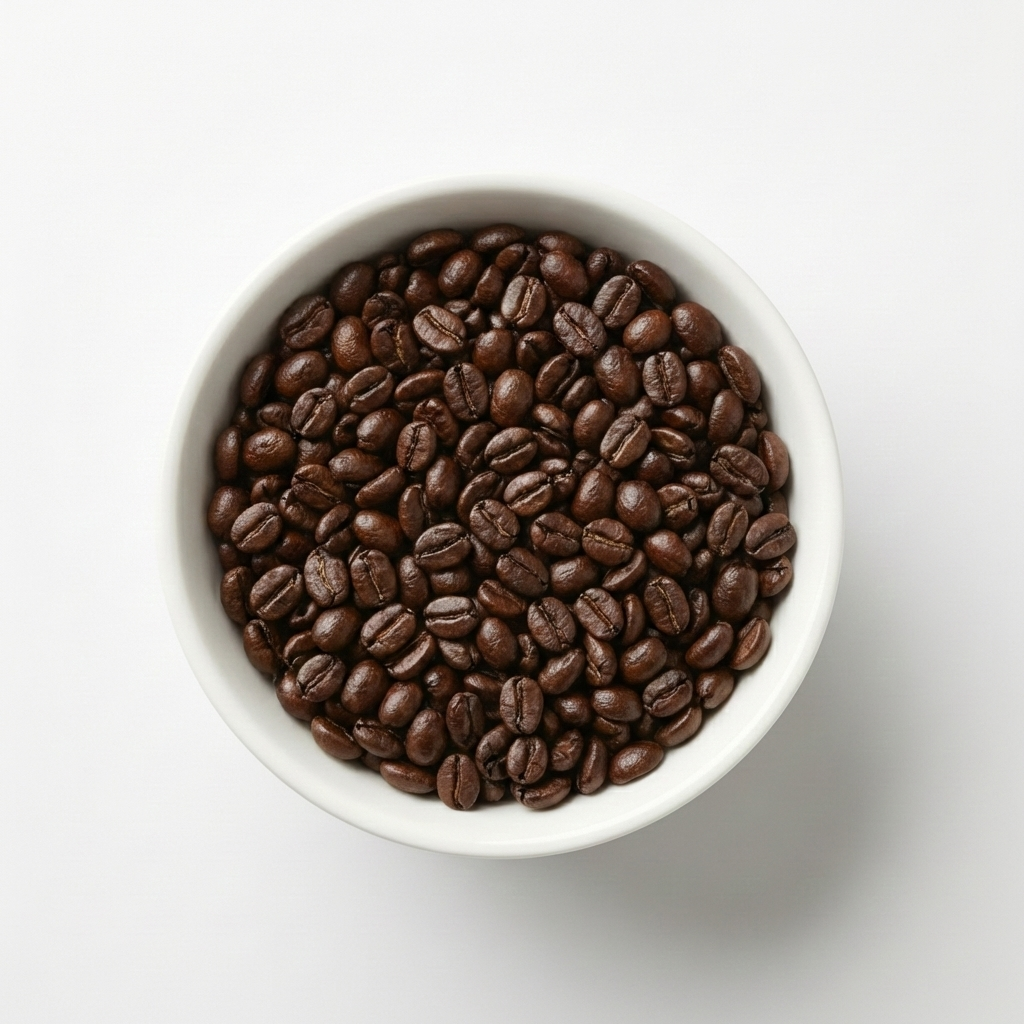
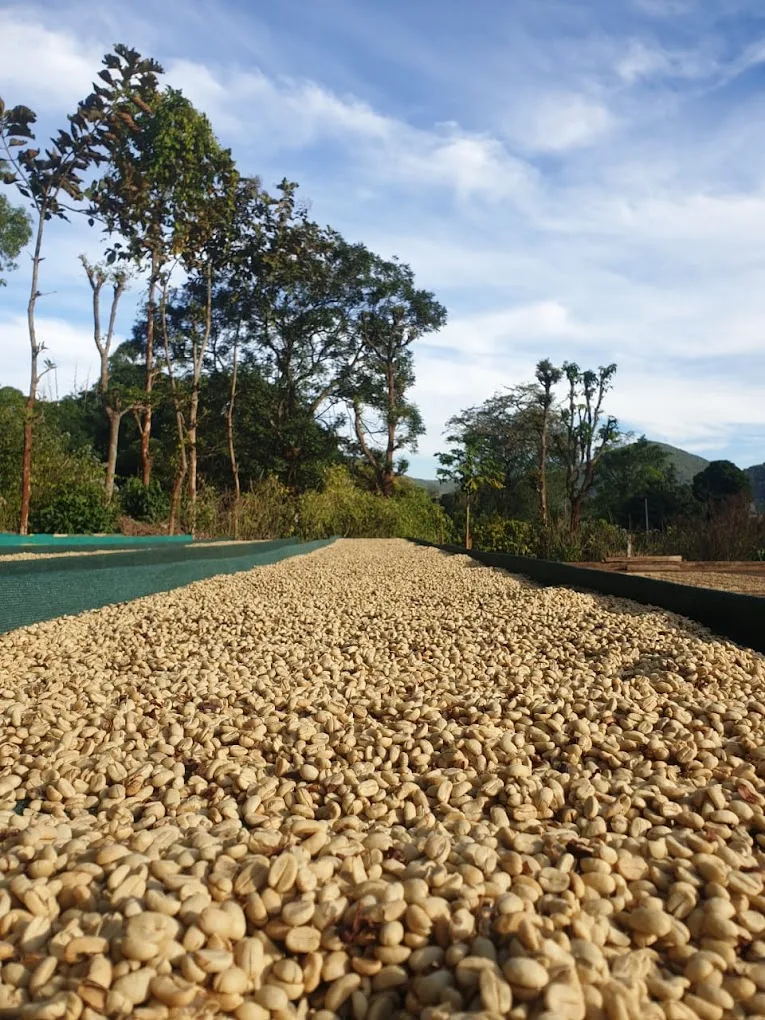
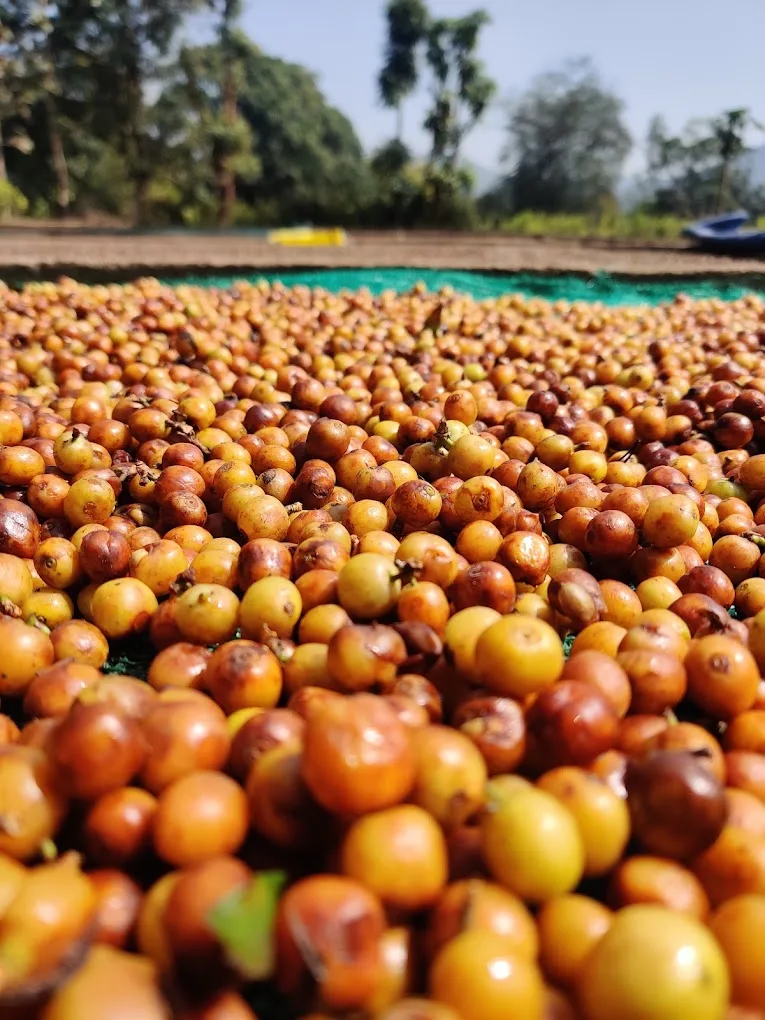
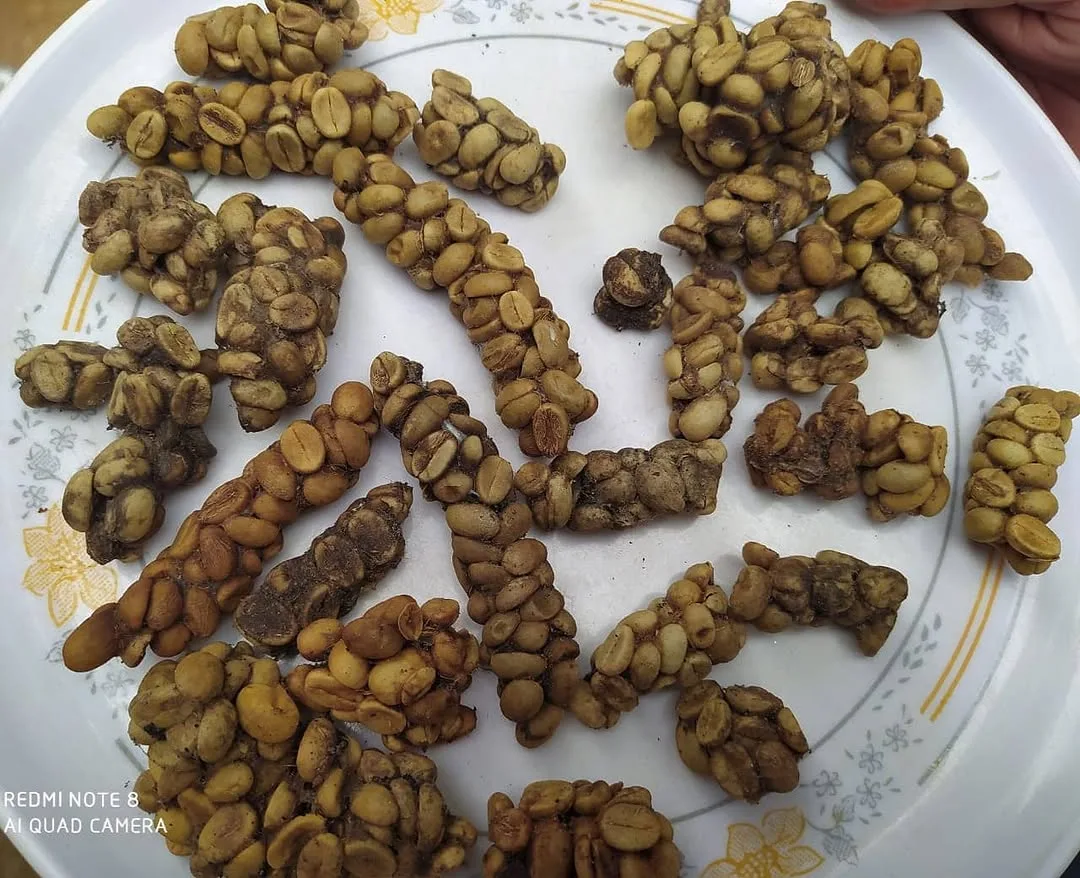
North East India
Assam · Arunachal Pradesh
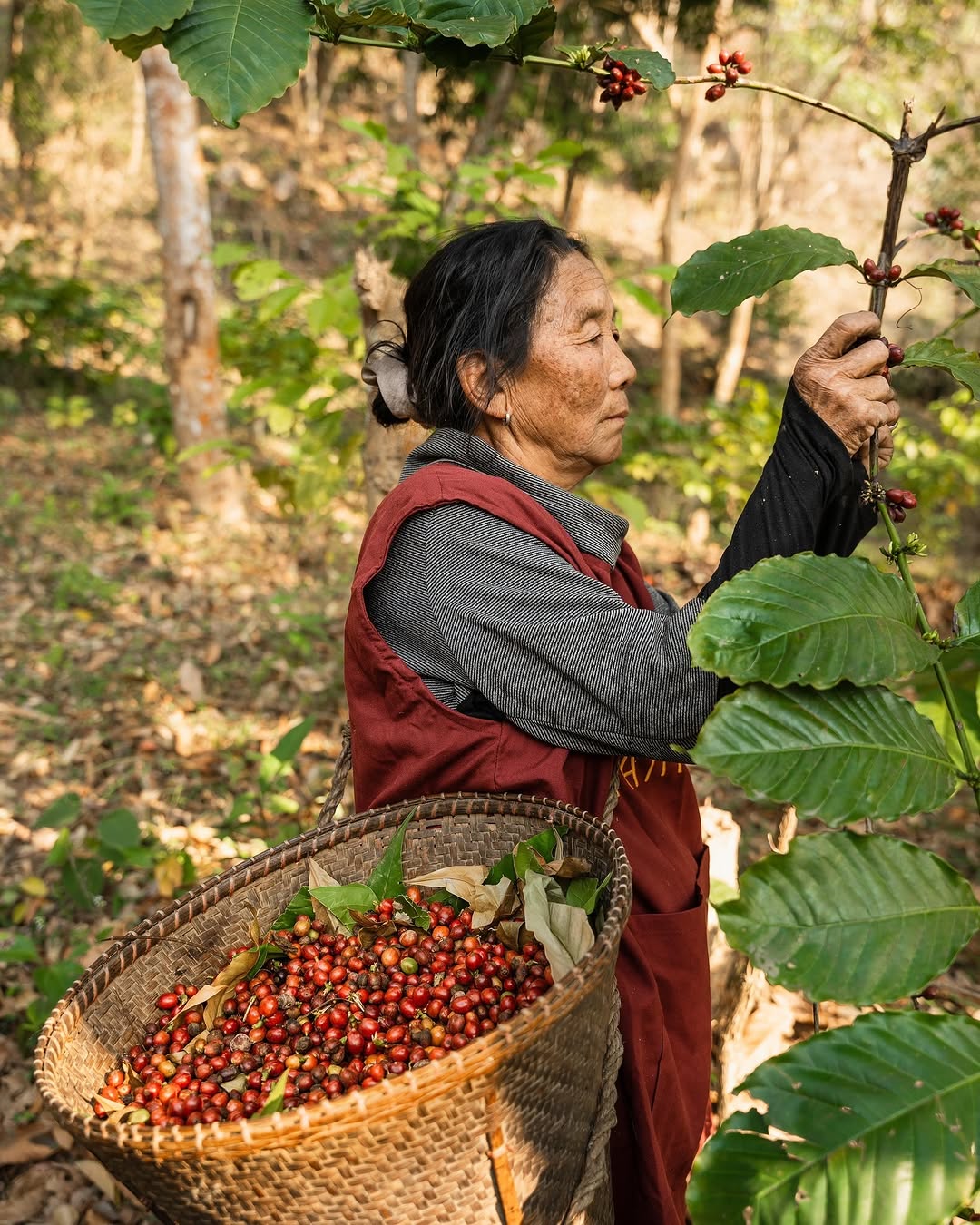
India's most underexplored coffee frontier: high-altitude Arabica from the Dima Hasao hills of Assam and Robusta from the Himalayan foothills of Arunachal Pradesh.
South India
Karnataka · Kerala
The established heartland of Indian coffee: Chikmagalur, Coorg, Wayanad, and the ancient Bababudangiri hills, producing consistent, traceable Arabica year after year.
Indian Green Coffee Grading Explained
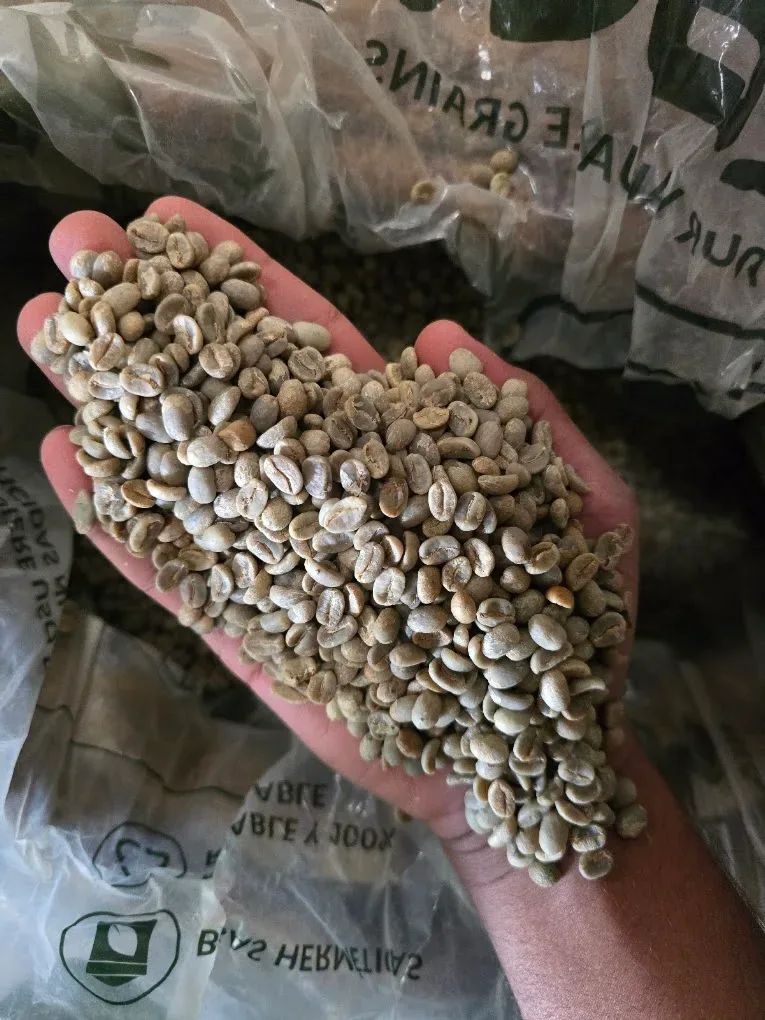
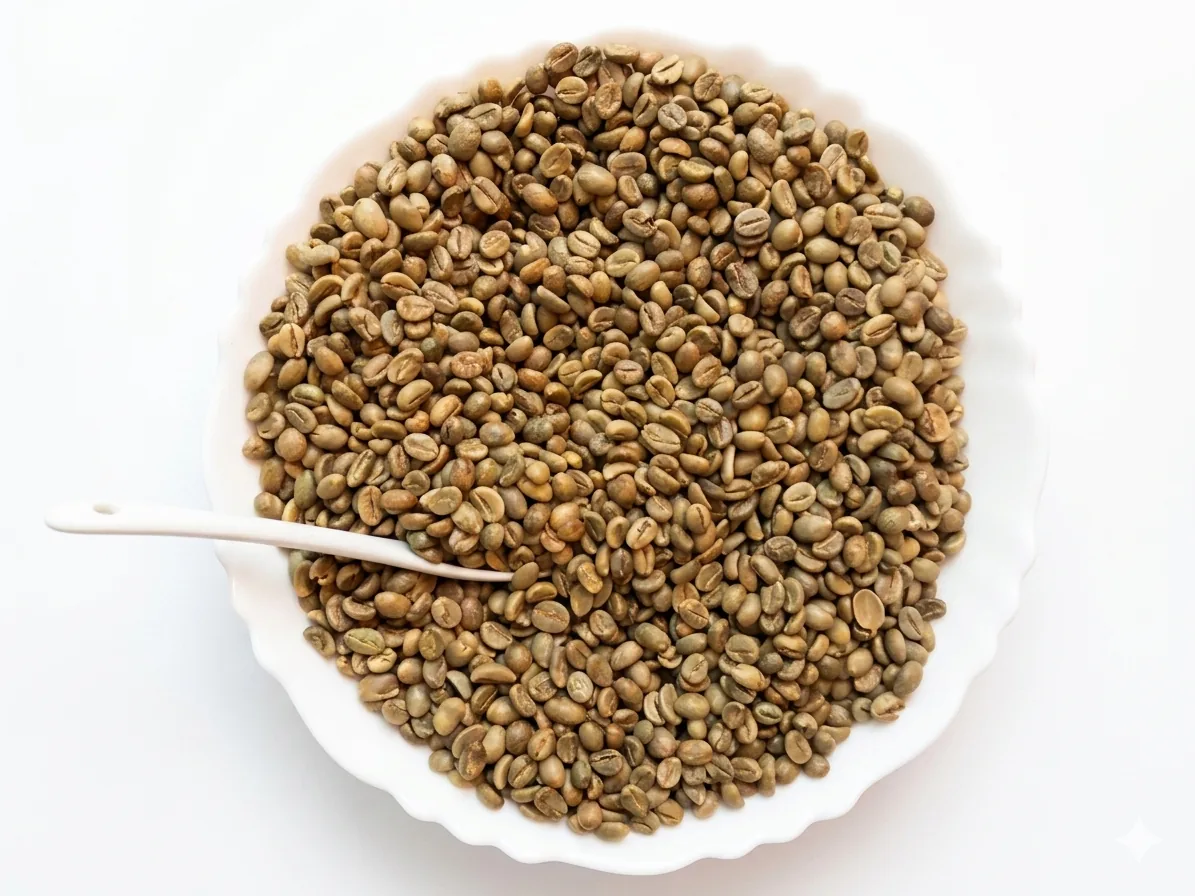
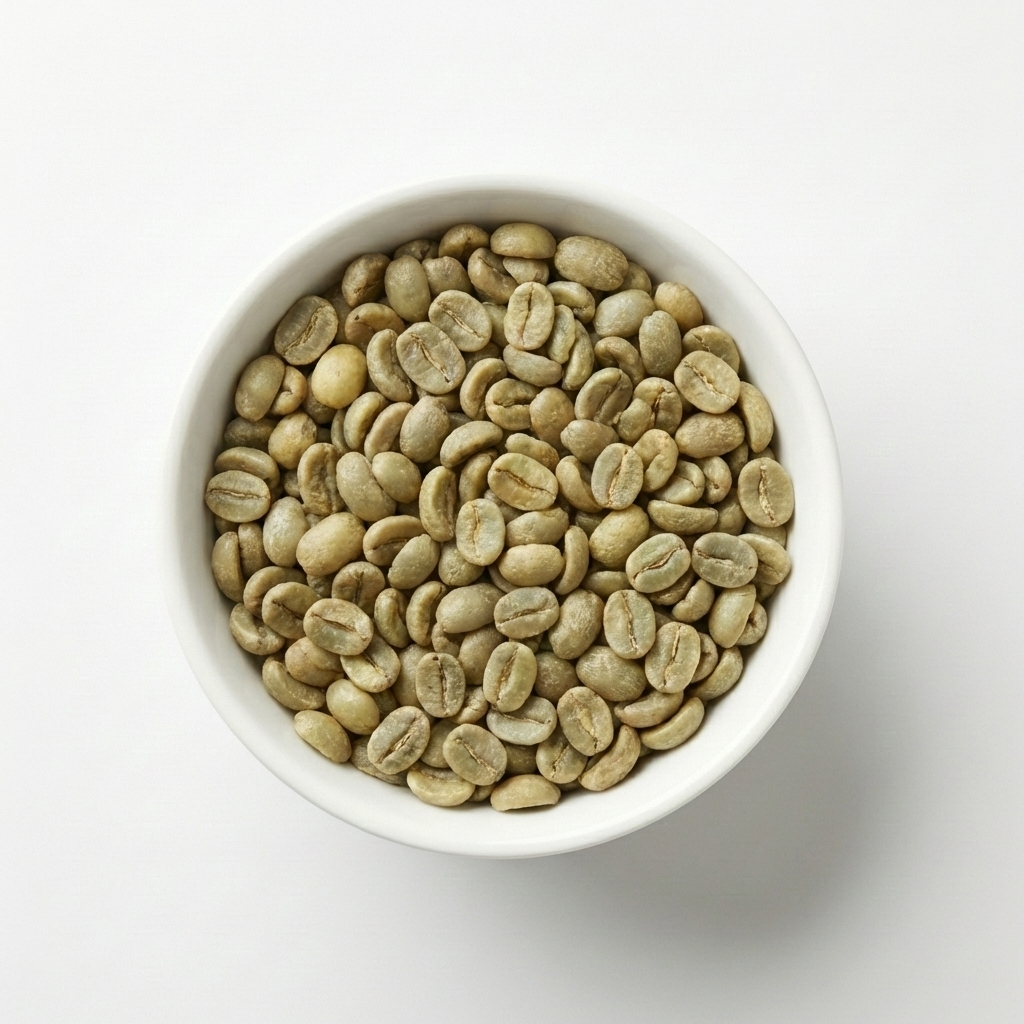
All green coffee from India is graded by screen size, defect count, and processing method before export. Understanding grades helps buyers pick the right product for their application, whether that's specialty roasting, commercial blending, or instant coffee production.
PB: Peaberry
A natural mutation where only one round seed forms instead of two. Hand-sorted at origin. Denser than flat beans, roasts more evenly. Prized for enhanced sweetness and aromatic clarity. Available from Koraput, Chikmagalur, Coorg, and Wayanad.
AAA: Plantation Extra Large
Largest screen-size flat beans from washed Arabica. Top commercial grade. Excellent for filter coffee, South Indian filter blends, and high-end espresso bases. Consistent cup quality across lots.
AA: Plantation Large
Second screen size: India's most widely traded commercial grade. Balanced acidity, medium body, clean cup. Ideal for roasters building a reliable, cost-effective Indian origin offering.
A / AB: Plantation
Smaller screen sizes with slightly more variation. Excellent for blending applications, instant coffee production, and high-volume commercial roasteries. Most affordable entry point for Indian Arabica.
Processing Methods
The way a coffee cherry is processed after harvest has a profound effect on the final cup. India offers all three major processing methods across its regions, giving buyers flexibility to source the exact flavour profile they need.
Natural / Sun-Dried
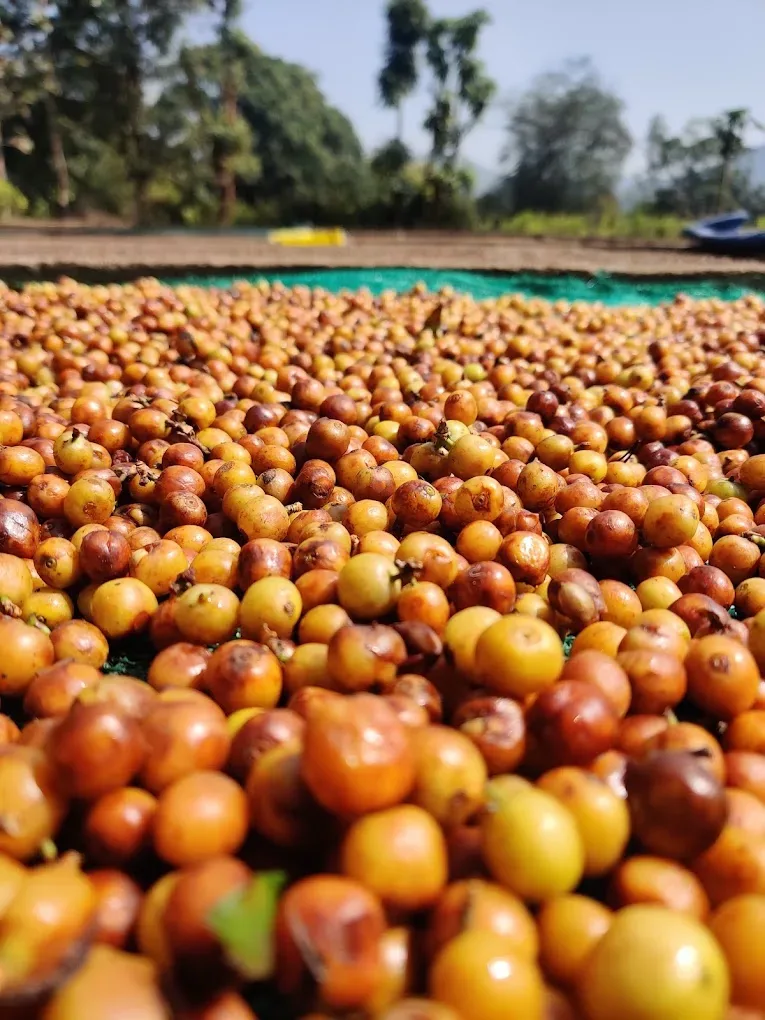
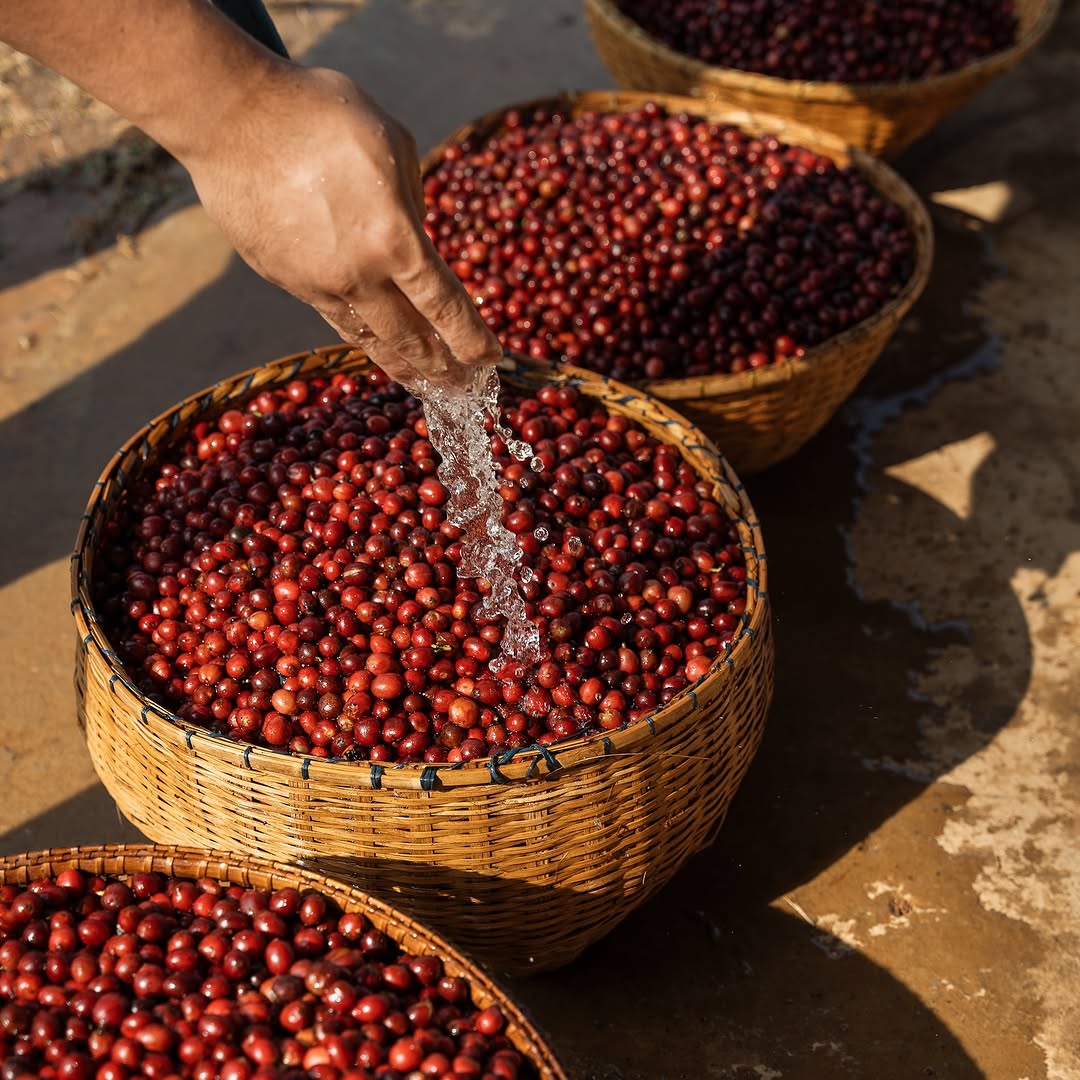
The whole cherry is dried intact on raised beds. The fruit pulp ferments around the seed, infusing the bean with fruit sugars.
Flavour: Fruity · Wine-like · Heavy body · Berry sweetness
Available: Koraput, Halflong, Chirang, Tirap
Washed / Wet Process
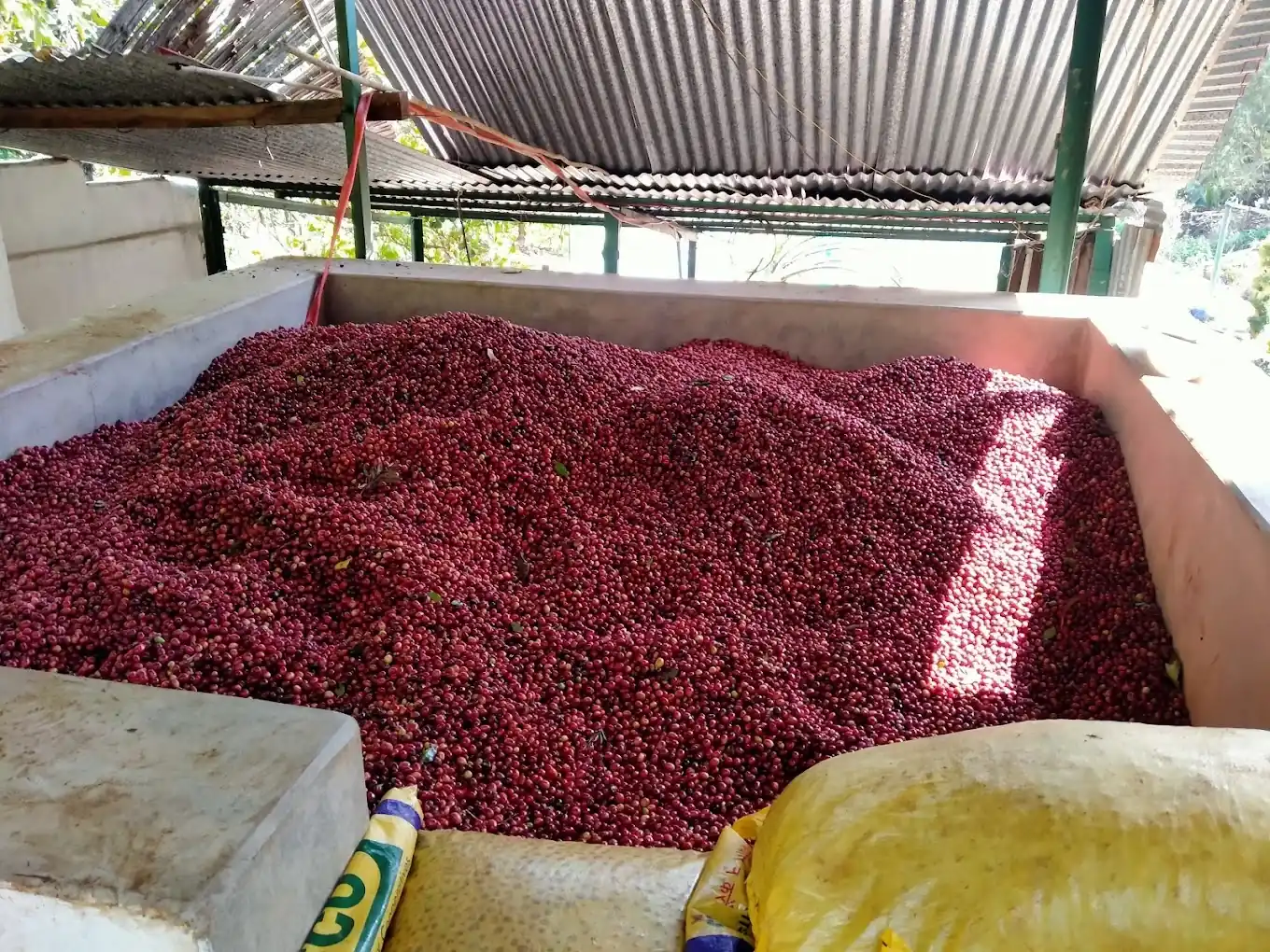
Cherry skin and mucilage are removed before drying. The bean dries clean, allowing the true origin character to express without fruit interference.
Flavour: Clean · Bright · Floral · Crisp acidity
Available: Koraput, Chikmagalur, Coorg, Wayanad, Commercial AA/AAA
Honey / HSD Process
The skin is removed but some or all mucilage is left on during drying, capturing natural sugars without full fermentation. India's Honey Sun-Dried (HSD) method is distinctive.
Flavour: Sweet · Stone-fruit · Silky body · Caramel
Available: Koraput (Gold, Red, Yellow Honey grades)
Arabica vs Robusta: Which Should You Buy?
Arabica: for specialty, filter, and single-origin espresso
Arabica (Coffea arabica) thrives at 800–2,000 masl and contains 1.2–1.5% caffeine. It is lower in bitterness, higher in complexity, and produces a wider flavour range, from citrus and floral to chocolate and dried fruit. Arabica is the default choice for specialty roasters, third-wave cafés, and premium commercial blends.
Indian Arabica origins we stock: Koraput (Odisha), Halflong (Assam), Chikmagalur, Coorg, Wayanad, Bababudangiri.
Robusta: for espresso blending, instant coffee, and volume
Robusta (Coffea canephora) grows at lower altitudes (below 600m), contains 2.7% caffeine (nearly double Arabica), and produces a bold, earthy, chocolatey cup with a thick crema. It is more disease-resistant and cheaper to produce. Robusta is indispensable for espresso blends (it adds crema and body), South Indian filter coffee, and instant coffee manufacturing.
Indian Robusta origins we stock: Chirang (Assam) CxR, Tirap (Arunachal Pradesh) CxR, both natural-process, from tribal forest-fringe farms.