Specialty and Commercial Indian Green Coffee: Wholesale & Export.
From AAA/AA commercial grade beans at ₹800/kg to award-worthy specialty lots, we source directly from Koraput, Assam, and South India. Whether you run a roastery, a café chain, or import at scale, we have the right grade for your volume.
Commercial Grade
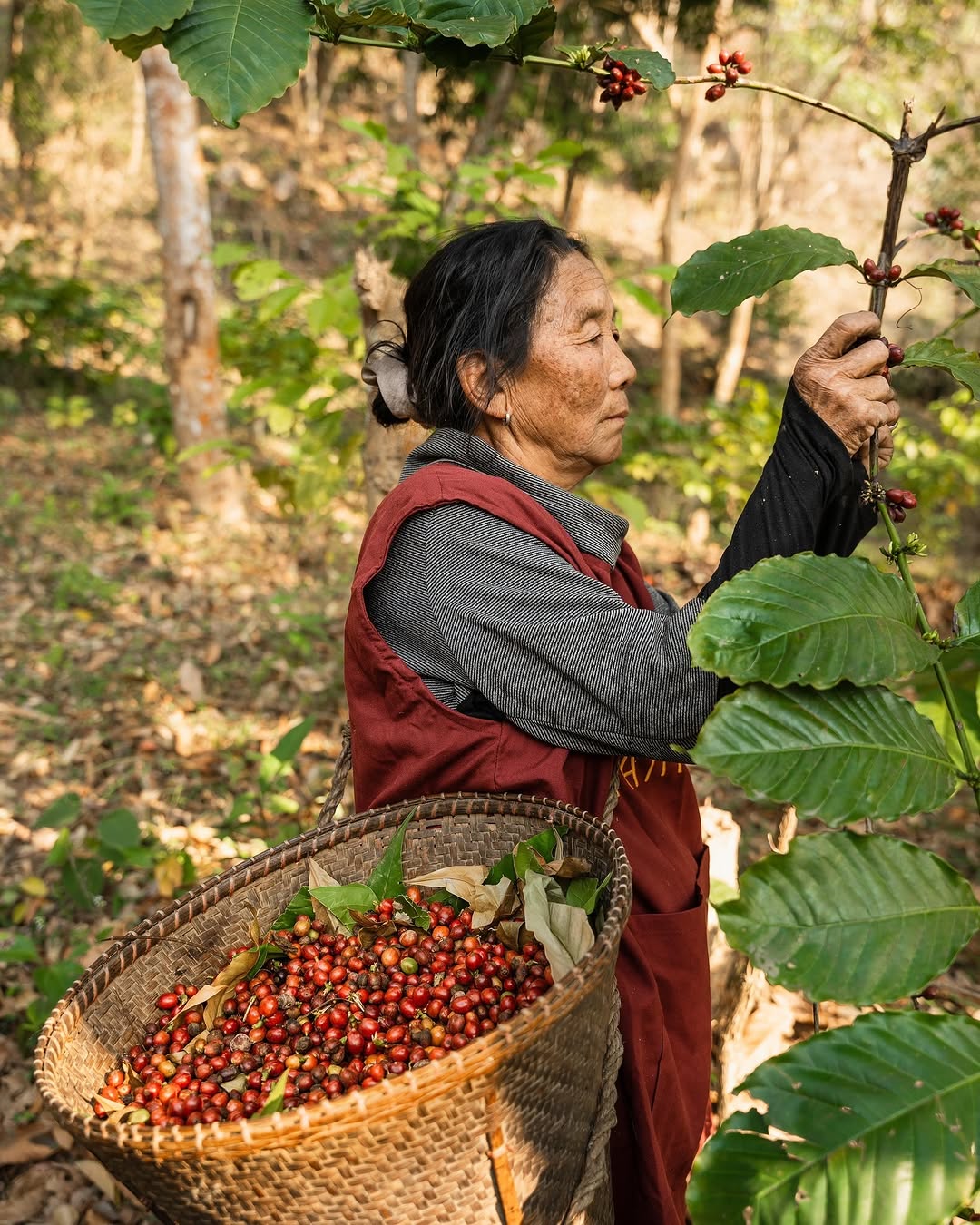
Koraput Arabica AAA Commercial Green Coffee
Koraput Arabica AA Commercial Green Coffee
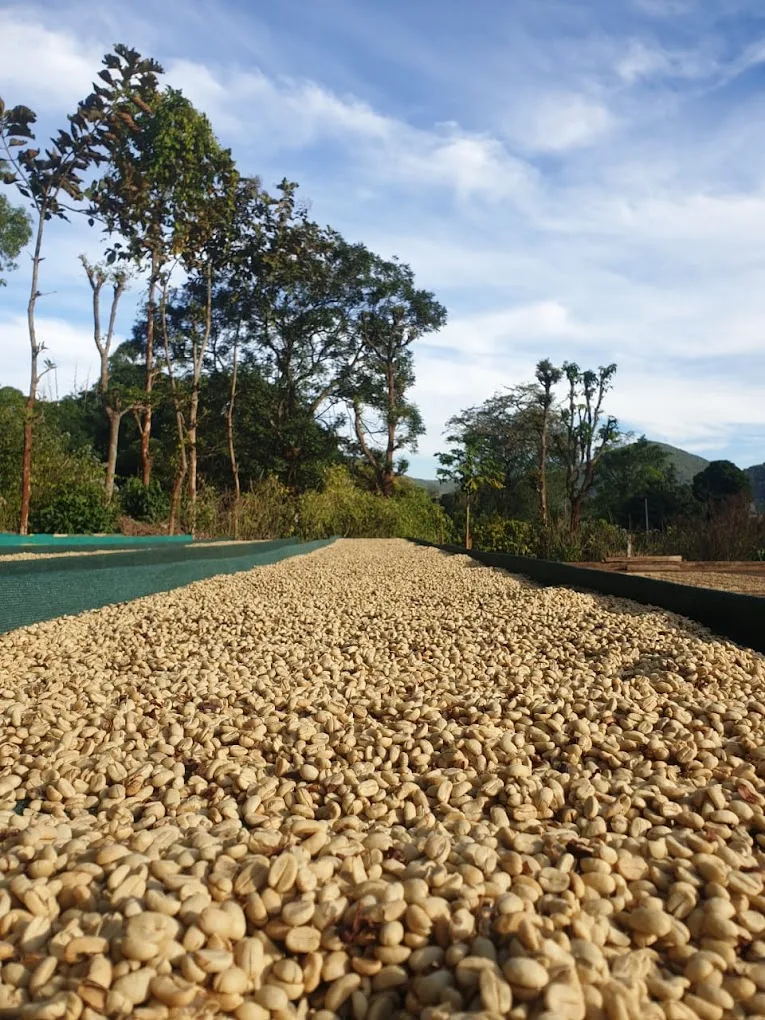
Koraput Arabica A Commercial Green Coffee
Koraput Arabica B+ Commercial Green Coffee
Koraput Arabica B Commercial Green Coffee
Koraput Arabica BB Commercial Green Coffee
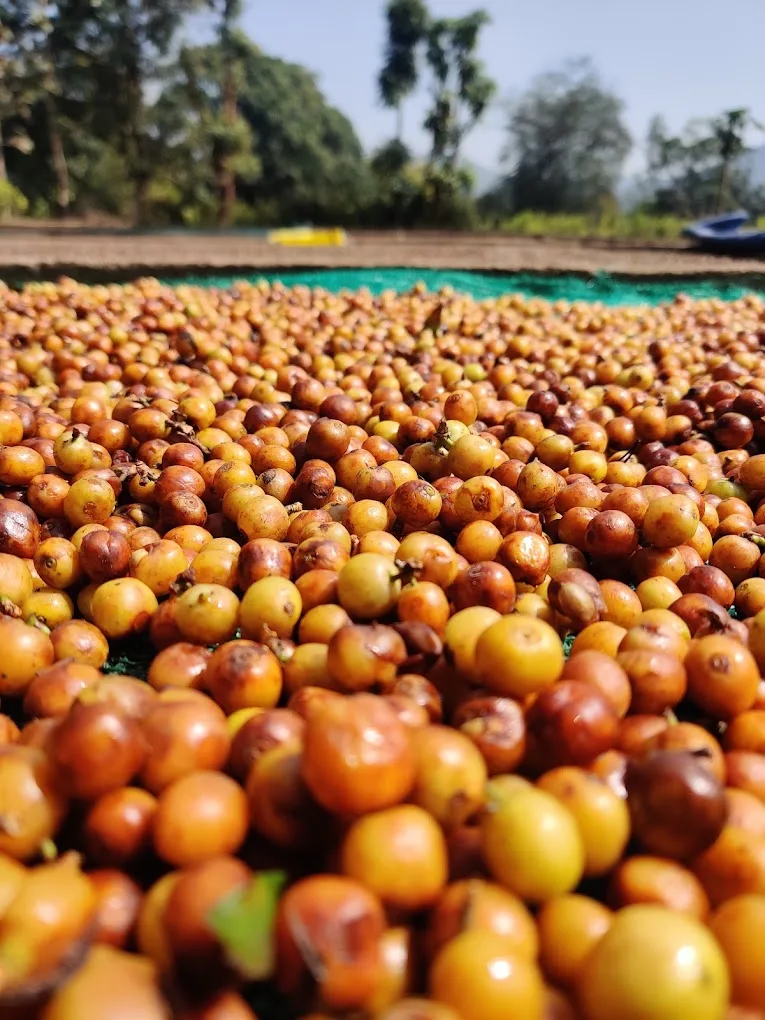
Koraput AA Honey Sundried Commercial Green Coffee
Koraput AA Naturals Commercial Green Coffee
East India
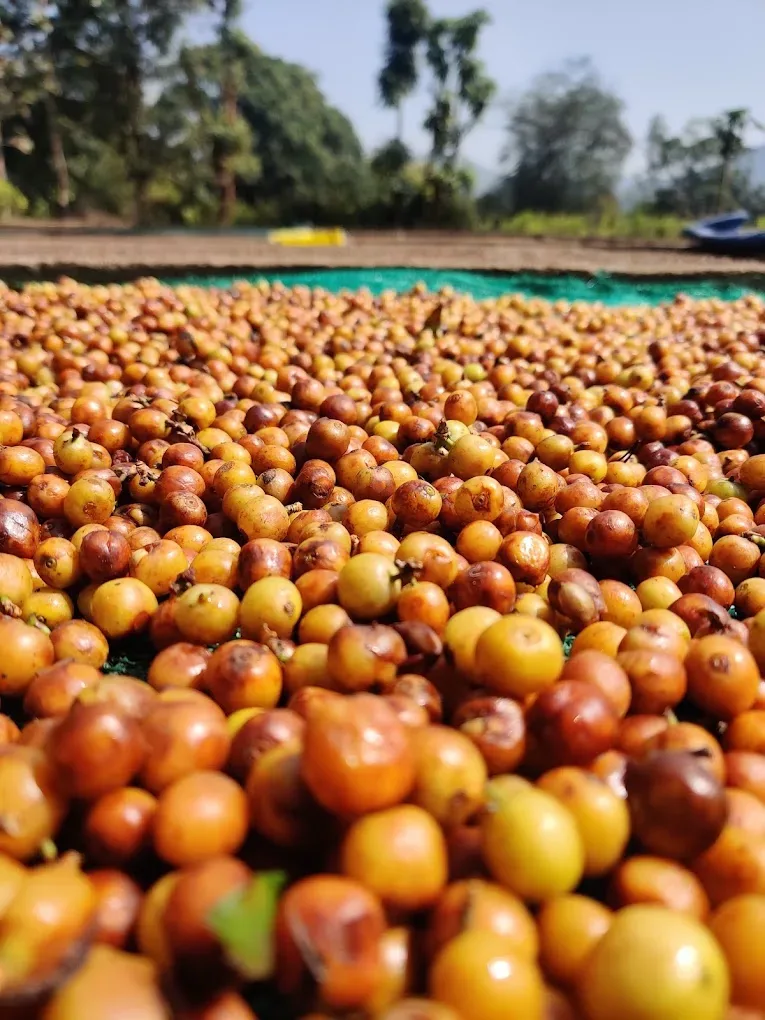
Koraput Arabica Naturals Green Coffee
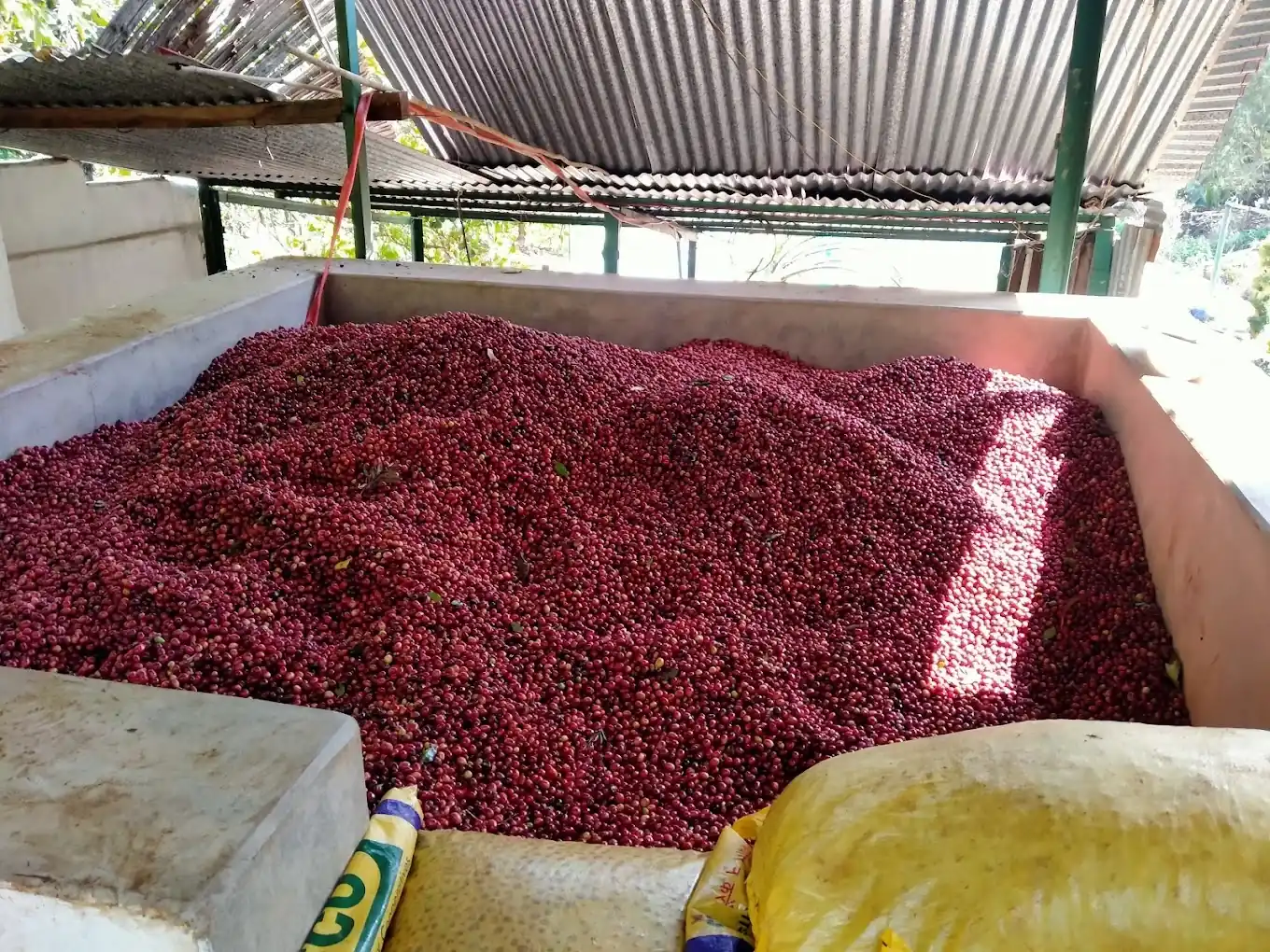
Koraput Arabica Honey Sun-Dried Green Coffee
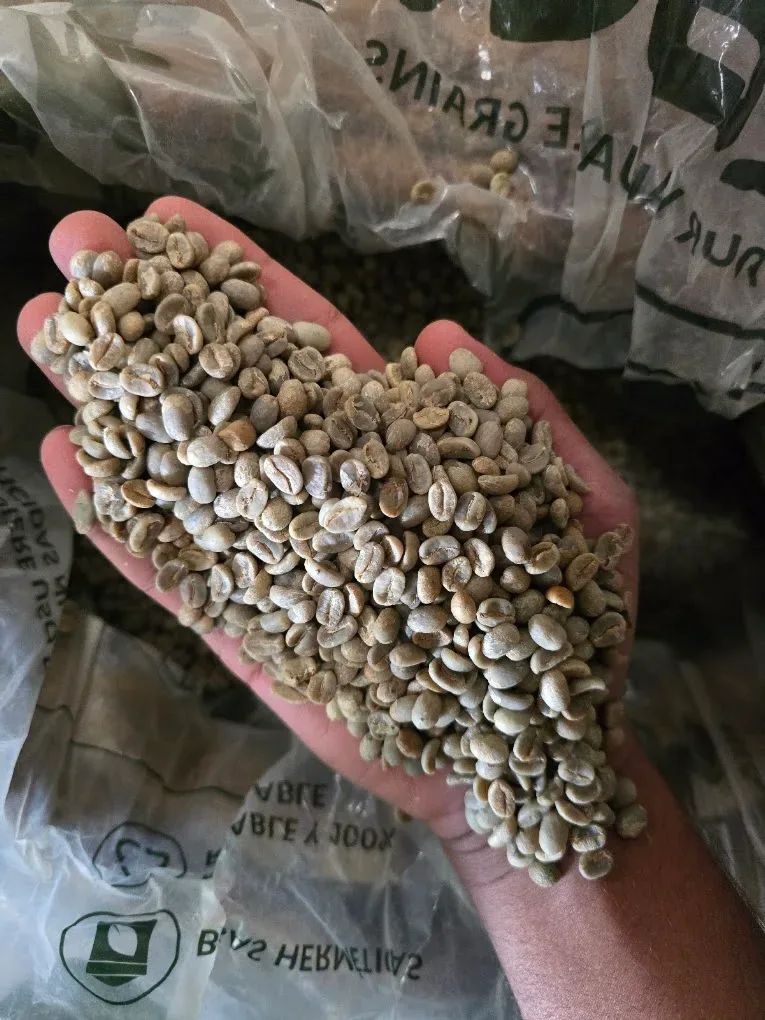
Koraput Arabica Washed Green Coffee
Koraput Arabica Washed Specialty Green Coffee
Koraput Arabica AAA Commercial Green Coffee
Koraput Arabica AA Commercial Green Coffee
Koraput Arabica Peaberry Green Coffee
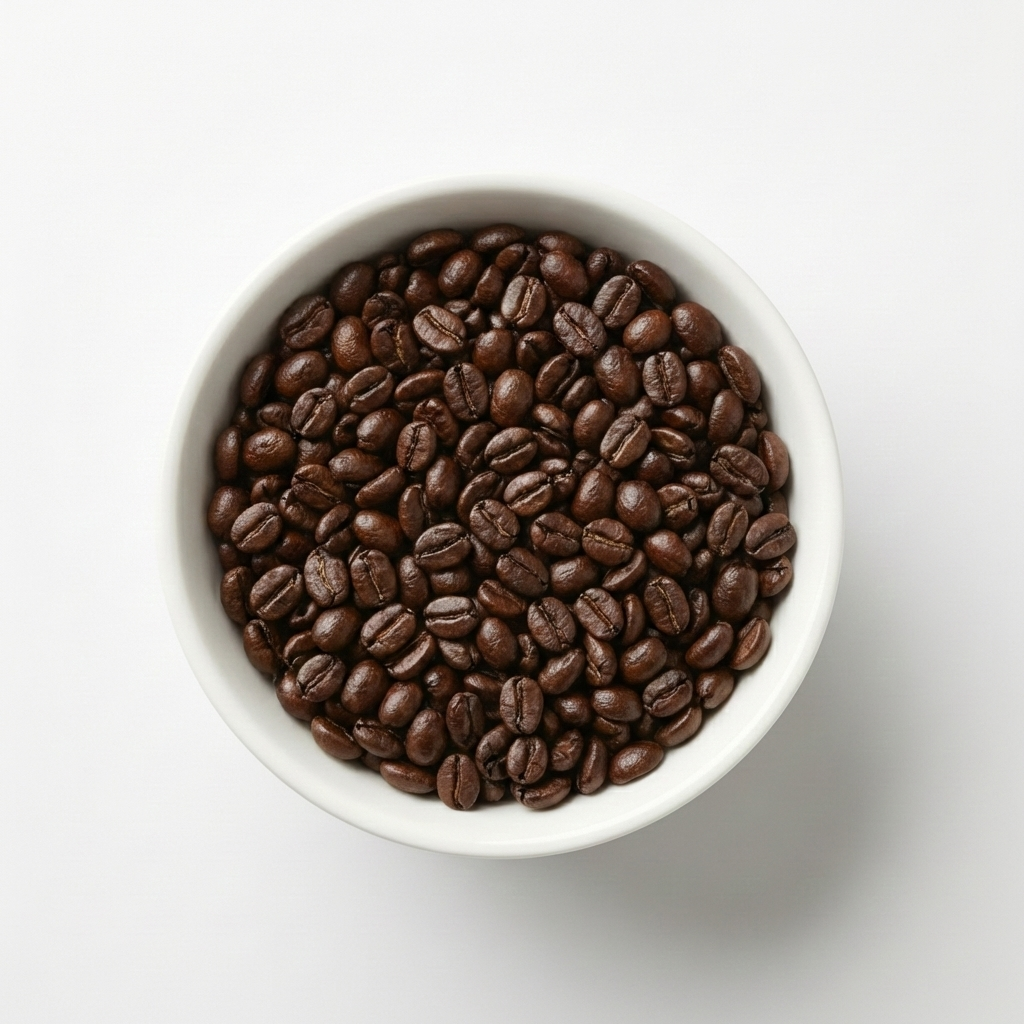
Koraput HSD Roasted Coffee
Koraput Naturals Roasted Coffee
Koraput Strawberry Anaerobic Roasted Coffee
Koraput Whiskey Rum Barrel-Aged Roasted Coffee
Koraput Espresso Blend Roasted Coffee
Koraput Single-Origin Espresso Roasted Coffee
Koraput Arabica A Commercial Green Coffee
Koraput Arabica B+ Commercial Green Coffee
Koraput Arabica B Commercial Green Coffee
Koraput Arabica BB Commercial Green Coffee
Koraput HSD Variety Washed Green Coffee
Koraput AA Anaerobic Naturals Green Coffee
Koraput A Anaerobic Naturals Green Coffee
Koraput AA Honey Sundried Commercial Green Coffee
Koraput AA Naturals Commercial Green Coffee
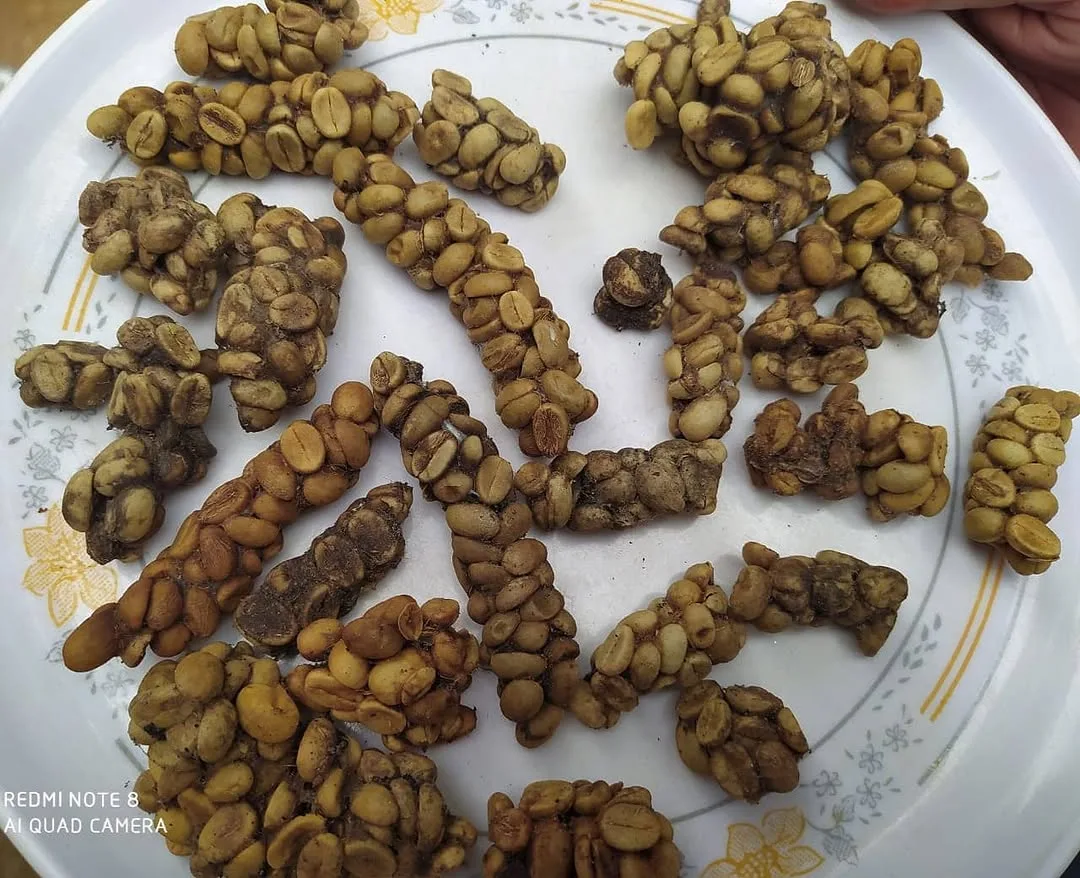
Wild Civet Cat Coffee (Kopi Luwak) Green Coffee
Dream Hill AAA Washed Arabica Green Coffee
Dream Hill AA Anaerobic Naturals Green Coffee
Brown Valley AA Honey Sundried Specialty Green Coffee
Dream Hill AA Whiskey Infused Naturals Green Coffee
North East India
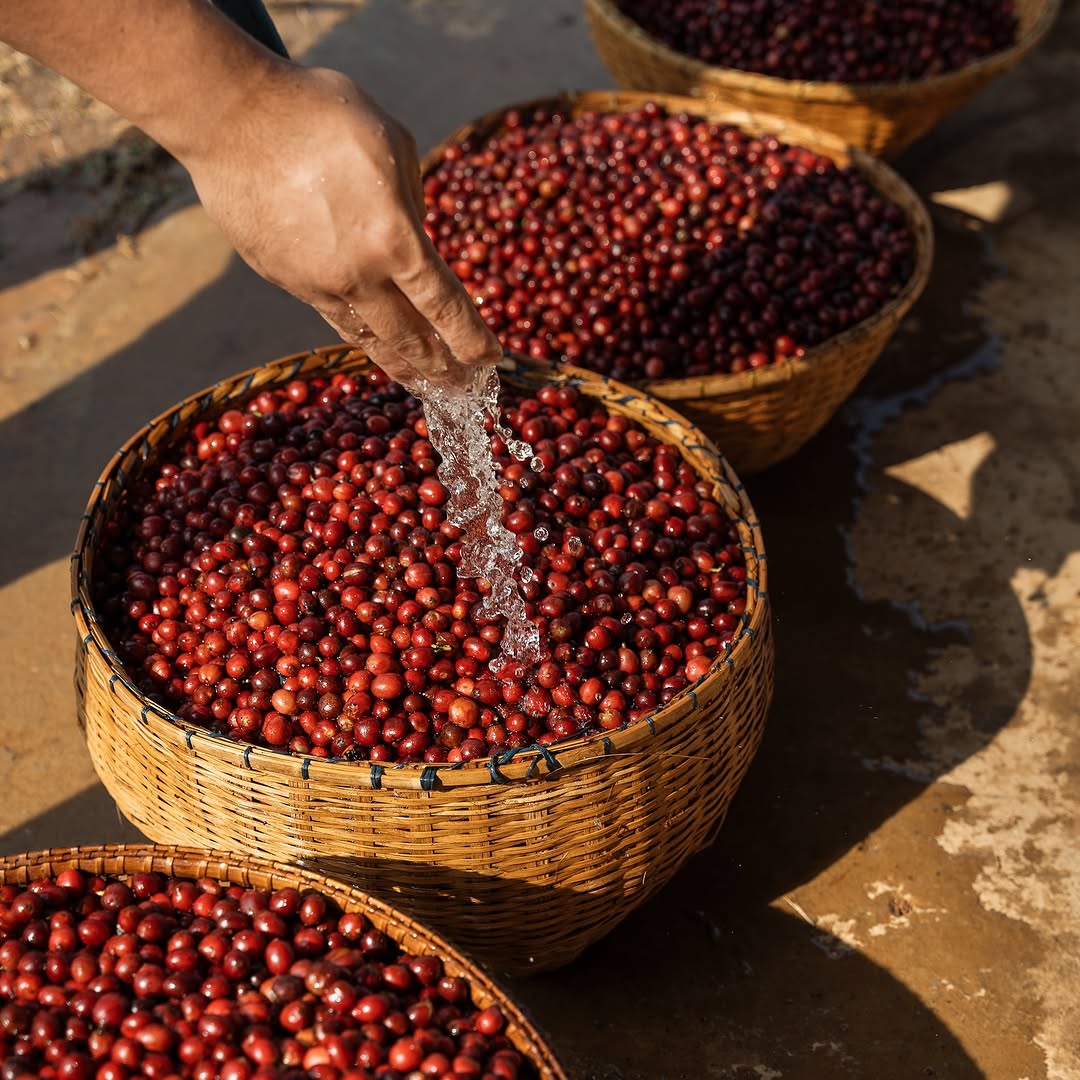
Halflong Arabica Naturals Green Coffee
Chirang Robusta Naturals Green Coffee
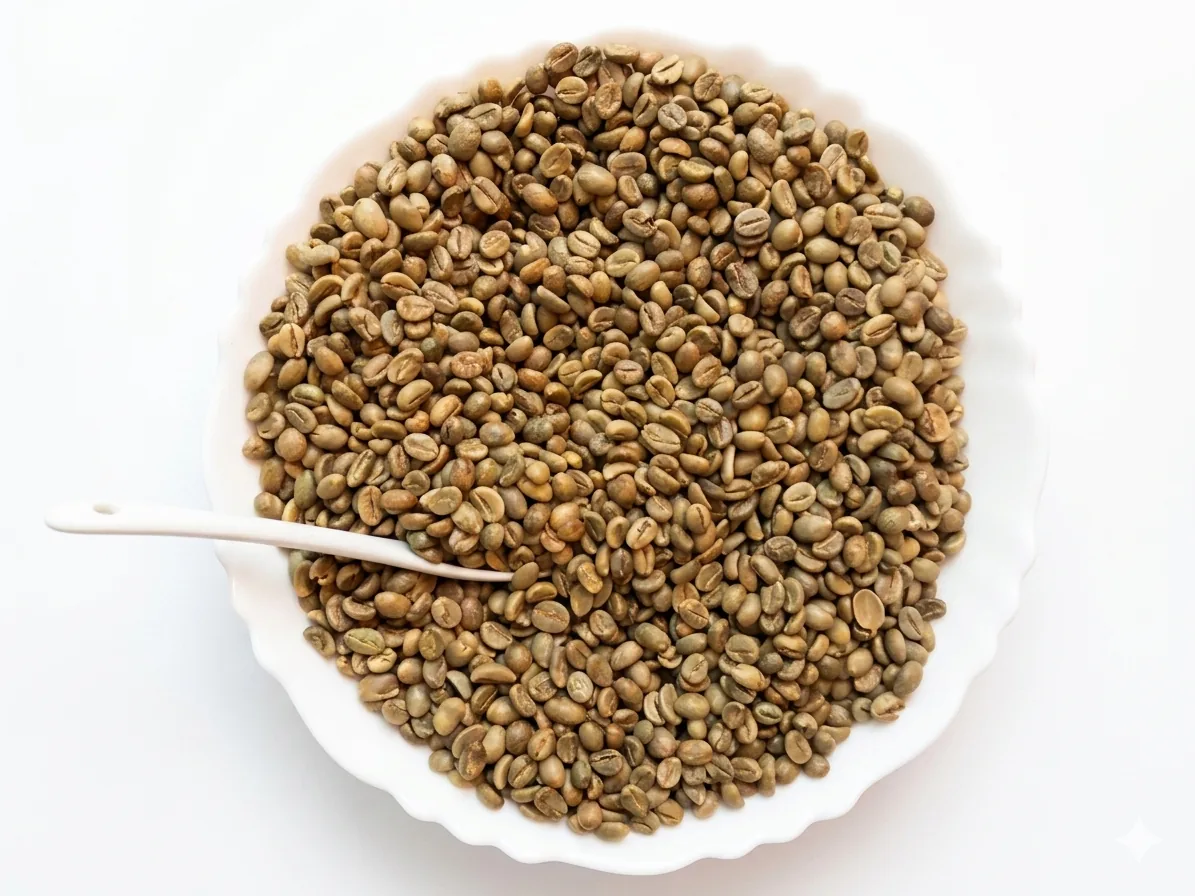
Tirap Robusta Naturals Green Coffee
Tirap Robusta Washed Green Coffee
Tirap Robusta Honey Sun-Dried Green Coffee
South India
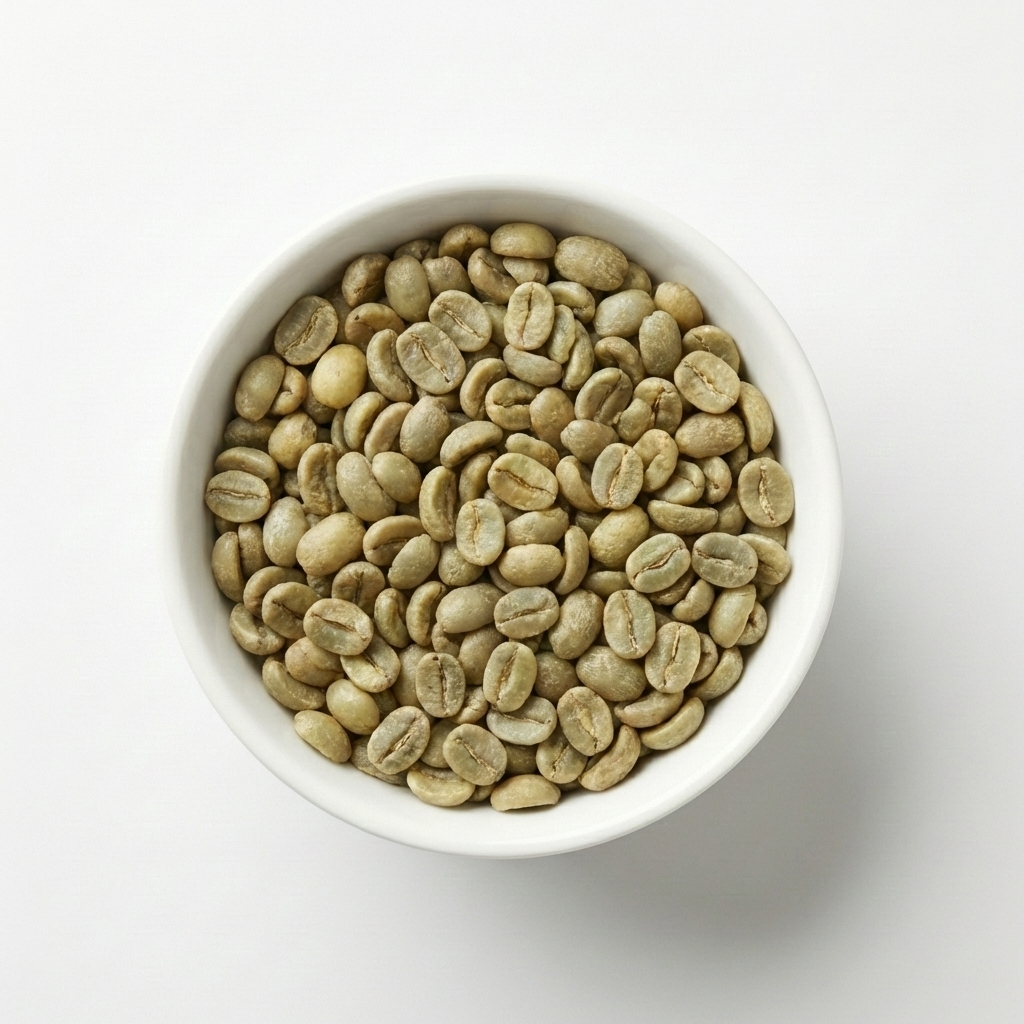
Chikmagalur Arabica Green Coffee
Coorg Arabica Green Coffee
Wayanad Arabica Green Coffee
Bababudangiri Arabica Green Coffee
Karadykan Estate Arabica Naturals Green Coffee
Karadykan Estate Arabica Honey Sun-Dried Green Coffee
Karadykan Estate Arabica Washed Green Coffee
Karadykan Estate Arabica Washed Specialty Green Coffee
Attikan Estate Specialty Arabica Naturals Green Coffee
Attikan Estate Specialty Arabica Honey Sun-Dried Green Coffee
Attikan Estate Specialty Arabica Washed Green Coffee
Biccode Estate Coffee Naturals Green Coffee
Biccode Estate Coffee Honey Sun-Dried Green Coffee
Biccode Estate Coffee Washed Green Coffee
Gungegiri Estate Coffee Naturals Green Coffee
Gungegiri Estate Coffee Honey Sun-Dried Green Coffee
Gungegiri Estate Coffee Washed Green Coffee
Why Indian Green Coffee?
India is the world's sixth-largest coffee producer and one of its best-kept secrets. Unlike most major origins, Indian coffee is almost entirely shade-grown, under silver oak, pepper vines, and cardamom, which slows cherry development, deepens flavour complexity, and keeps farming sustainable. The country produces both Arabica and Robusta across dramatically different terroirs: from the misty tribal highlands of Odisha and Assam to the established estates of Karnataka and Kerala.
Shade-Grown by Default
Nearly all Indian coffee grows under a multi-canopy shade system, silver oak, jungle trees, pepper, and cardamom, producing slower-ripened cherries with more concentrated sugars and nuanced cup profiles.
Genuine Traceability
We source directly from tribal cooperatives in Koraput, small-holder farms in Assam, and established estates in Karnataka. Every lot comes with origin documentation, not just a country label.
Export-Ready Infrastructure
India exports coffee to over 80 countries. We handle phytosanitary certificates, GrainPro packaging, moisture control, and FOB documentation, reducing friction for international buyers.
Multiple Process Types
Natural, Washed, Honey Sun-Dried, and Monsooned: Indian farms offer more processing variety than most single-country origins, letting roasters build diverse menus from one supplier.
Competitive Pricing
Commercial AA/AAA grade from ₹800/kg. Specialty lots from ₹1,100/kg. Peaberry PB grade available. India offers exceptional quality-to-cost ratio compared to Ethiopian or Colombian equivalents.
Low MOQ for Sampling
Minimum orders from 10 kg let roasters trial new origins without committing to containers. We provide sample packs on request before any bulk commitment.
Coffee Education
What is Arabica Coffee?
Coffea arabica is the most widely grown coffee species in the world, accounting for roughly 60–70% of global production. Arabica thrives at high altitudes, typically 800m to 2,000m above sea level, where cooler temperatures slow the growth of the coffee cherry, allowing sugars and acids to develop over a longer period.
Compared to Robusta, Arabica beans have lower caffeine content (1.2–1.5%), higher complexity, more delicate acidity, and a wider flavour range spanning floral, fruity, chocolatey, and spiced notes. Arabica is the preferred choice for specialty roasters, single-origin espresso, and filter coffee programmes.
In India, Arabica is primarily grown across Karnataka (Chikmagalur, Coorg, Bababudangiri), Kerala (Wayanad), Odisha (Koraput), and Assam (Halflong). Each microclimate produces a distinct expression: the bright citrus of Chikmagalur, the full body of Coorg, the wine-like intensity of Koraput Naturals, and the delicate florals of Halflong SL-9.
Arabica Varieties in India
S.795
India's most widely planted Arabica variety, bred from Kent and S.288. Known for balanced acidity, good body, and subtle mocha notes. Highly disease-resistant.
Chandragiri
A compact, high-yielding variety released by the Coffee Board of India in 2010. Popular in tribal growing areas like Koraput. Produces a mild, clean cup.
SL-9 (Halflong)
A Kenyan-origin SL variety adapted to North-East India's high altitude. Produces delicate florals and red-berry sweetness, prized by specialty buyers.
Catuai
Introduced from Brazil, Catuai is compact and productive. Common in South India's established estates. Produces a bright, clean cup suitable for espresso.
Local Heirlooms
Old-growth heritage varietals found in tribal forest farms of Koraput and Bababudangiri, often unregistered but producing distinctive, complex cup profiles.
Specialty Grade
What is Indian Peaberry Coffee?
A peaberry (PB) is a natural mutation in a coffee cherry where only one seed develops instead of the usual two flat-sided beans. Without a partner seed to grow against, the single seed grows round and dense, like a small pea, hence the name. This mutation occurs in approximately 5% of all coffee cherries harvested.
Because peaberries are denser and more uniform in shape than flat beans, they roast more evenly. Heat distributes consistently around the spherical surface, reducing the risk of uneven roasting or tipping. Many roasters report that peaberries from the same origin display enhanced sweetness, aromatic clarity, and a cleaner cup compared to the flat-bean equivalent.
In India, peaberries are hand-sorted during processing and classified as PB grade, a premium tier above AA and A. They are available from Koraput, Chikmagalur, Coorg, and Wayanad origins. Peaberry lots are limited by nature and command a price premium typically 15–30% above standard grade from the same origin.
Why Peaberry Roasts Better
The uniform spherical shape means the bean rotates freely in the drum and receives even heat exposure across its entire surface, eliminating the flat-side vs curved-side differential that causes uneven development in standard beans.
Indian Coffee Grading: PB vs AA vs AAA
PB (Peaberry): round single-seed beans, hand-sorted, premium grade.
AAA: largest screen-size flat beans, top commercial grade.
AA: second screen size, the most widely traded Indian commercial grade.
A / AB: smaller screen sizes, excellent for blending and high-volume use.
Where to Find Indian Peaberry
We stock Peaberry (PB) grade from Koraput Washed, Chikmagalur Arabica, Coorg Arabica, and Wayanad Arabica. All peaberry lots are hand-sorted at origin and packed in GrainPro-lined jute bags to preserve moisture stability during transit.
MOQ for Peaberry
Peaberry lots are available from 10 kg for sampling. Bulk orders in 30 kg or 60 kg GrainPro jute bags. Contact us for current availability: PB lots sell out faster than standard grades.
Indian Coffee Growing Regions
India's coffee geography spans three distinct belts: the tribal highlands of East India, the underexplored frontier of North East India, and the established estates of South India. Each belt produces coffees with radically different character.
East India
Koraput (Odisha) · Araku Valley (Andhra Pradesh)
Koraput is Odisha's southernmost district and one of India's most exciting emerging specialty origins. At 900–1,350 masl, tribal farming communities cultivate Arabica in the Eastern Ghats under natural forest canopy. The Odisha government branded Koraput Coffee in 2019 and the region is currently seeking a GI tag.
Process types available: Natural, Honey Sun-Dried (HSD), Washed. Key varietals: Chandragiri, local heirlooms. SCA scores: 85–88+.
North East India
Halflong (Assam) · Tirap & Chirang (Arunachal Pradesh)
India's most underexplored coffee region. Halflong in Dima Hasao district of Assam produces high-altitude Arabica (SL-9) at 950–1,000 masl with delicate florals and red-berry sweetness, consistently scoring above 88 SCA at specialty cuppings. Chirang and Tirap produce CxR Robusta from forest-fringe tribal farms.
Limited harvest availability. Contact us for current lot status and sample requests.
South India
Chikmagalur · Coorg · Wayanad · Bababudangiri
The established heartland of Indian coffee production. Karnataka alone accounts for over 70% of India's total coffee output. Chikmagalur (the cradle of Indian coffee), Coorg (famous for full-bodied planters' estate Arabica), Wayanad (smooth Kerala forest-grown), and Bababudangiri (India's mythical origin) all offer consistent, traceable green coffee year-round.
All South India origins available in AA, A, AB, and PB (Peaberry) grades.
Frequently Asked Questions
What is the minimum order quantity (MOQ) for green coffee?
MOQ varies by product. Specialty lots (Koraput, Halflong) start from 10 kg for most grades. Commercial AA/AAA starts from 30 kg. Peaberry (PB) lots are available from 10 kg. We recommend starting with a sample before committing to bulk. Contact us and we'll arrange samples.
Do you ship internationally?
Yes. We ship green coffee worldwide via air freight and sea freight. We handle phytosanitary certificates, fumigation reports, and all export documentation required for customs clearance in the EU, US, UK, Middle East, and Southeast Asia. FOB Chennai, FOB Mundra, and CIF pricing available on request.
What is the difference between Natural, Washed, and Honey process?
Natural (sun-dried) means the whole cherry is dried intact, producing fruity, wine-like flavour. Washed means the cherry skin and mucilage are removed before drying, producing a cleaner, brighter cup. Honey (HSD) sits in between: the skin is removed but some mucilage is left on during drying, producing sweetness and body with less ferment character than a natural.
What grades of green coffee do you supply?
Commercial grade: AAA and AA (plantation grade, washed Arabica). Specialty grades: Grade 1, Grade 2, PB (Peaberry), Gold Honey, Red Honey for process-specific lots. All grades are available with SCA score documentation on request for specialty lots.
Can I get a sample before placing a bulk order?
Yes, we strongly recommend sampling before committing to bulk. Contact us via WhatsApp or the contact form with your target origin, process preference, and volume requirements. We'll share current lot availability and arrange samples.
What packaging do you use for green coffee?
All green coffee is packed in GrainPro-lined 60 kg jute bags for bulk orders. 30 kg bags available on request. GrainPro inner bags maintain moisture stability and protect against re-absorption during transit, critical for long sea freight routes.
Is Indian green coffee suitable for specialty roasters?
Absolutely. Our Halflong SL-9 Naturals score 89 SCA and are used by specialty roasters in Europe and South Asia. Koraput Naturals and HSD lots score 87–88 SCA. South India origins offer consistent 84–86 SCA lots with excellent traceability, ideal for single-origin filter and espresso programmes.